

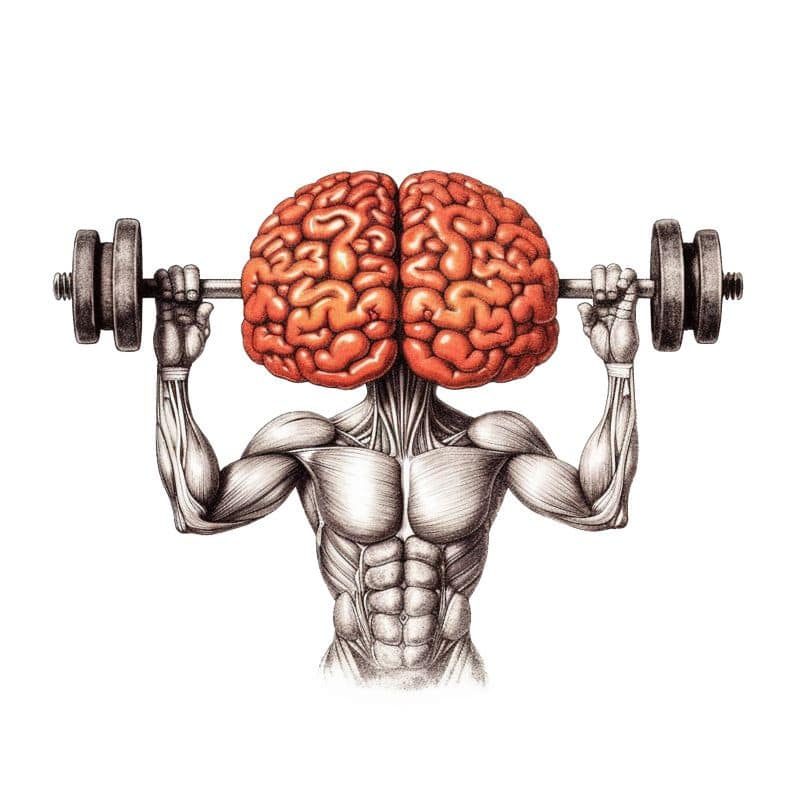
🧘♀️how to balance fitness and mental health: THE key to a happier, stronger you
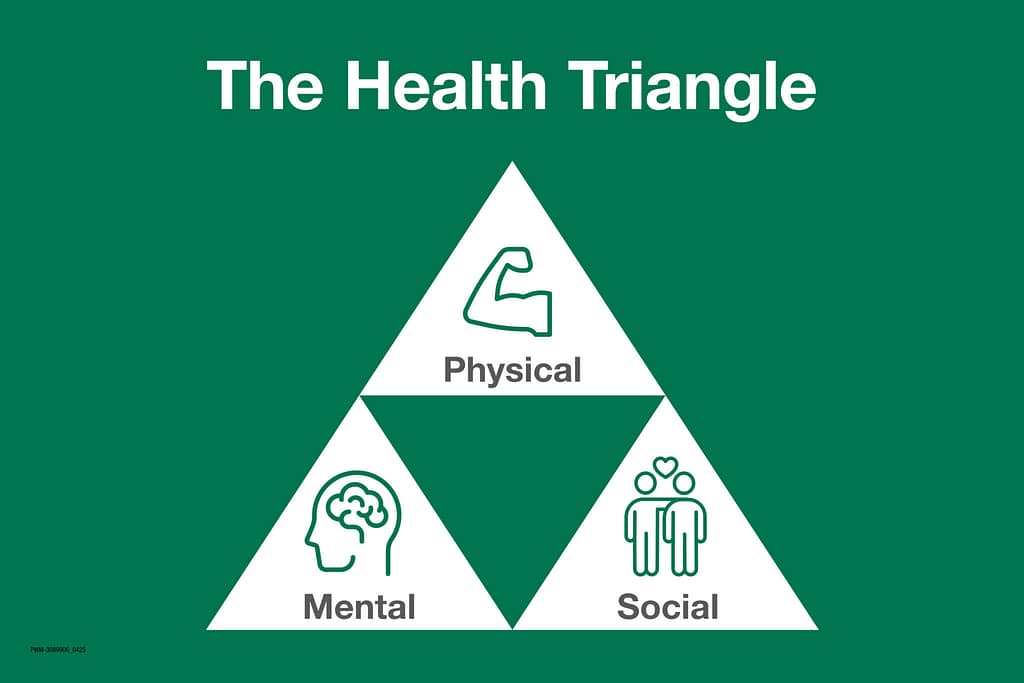
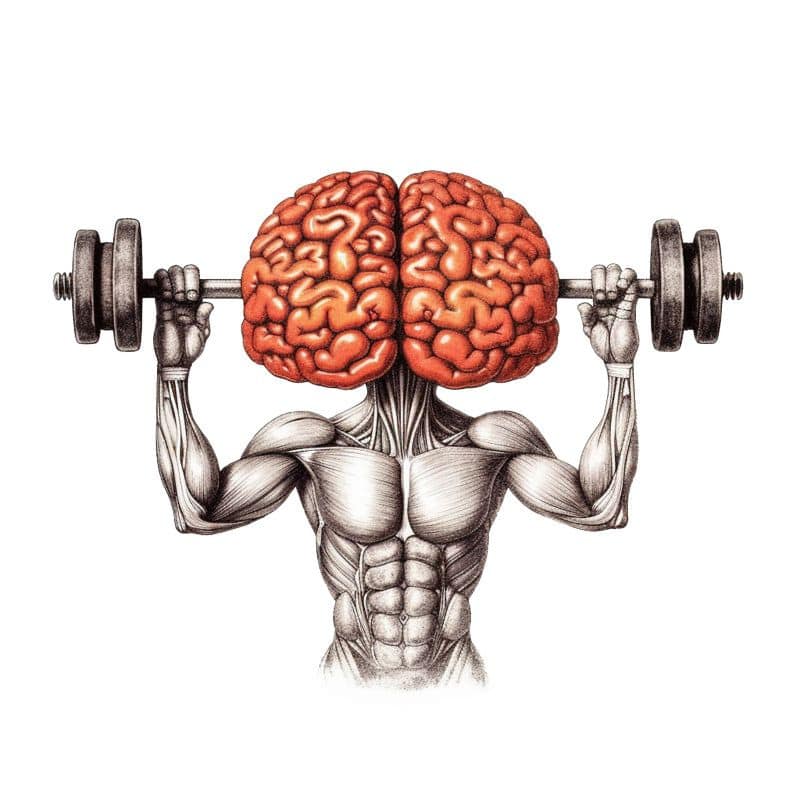
In today’s world, fitness is often seen as something purely physical- about muscles, abs, and endurance.
But true fitness goes much deeper. It’ s not just about how strong your body is: it’ s also about how clam and balanced your mind feels.
Finding the right balance between physical health and mental well- being is what defines real fitness.
In this post, we’ ll explore how the two are connected, why balance is essential, and how you can bring harmony to your fitness and mental health in daily life.
🌱why mental health matters in fitness
When we start a fitness journey, most of us focus on results- weight loss, muscle gain, or performance improvement. But if our mental health isn’ t in sync, motivation drops, stress rises, and even the best fitness plans fail.
Mental health plays a key role in consistency, discipline, and recovery.
A positive mindset pushes you to show up every day.
A stressed or anxious mind, on the other hand, can easily drain your energy, make workouts feel heavy, and even cause burnout.
balance begins in the mind.
when your mental state is stable, your body follows naturally.
💪how exercise improves mental health
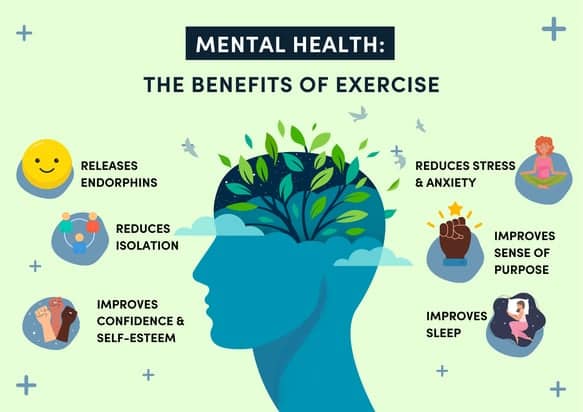
Science backs this up- exercise isn’ t just good for your body; it’ s powerful medicine for your brain.
Here’ s how physical activity boosts mental well- being:
- Releases “feel- good” hormones: Exercise increase serotonin, dopamine, and endorphins- the hormones that reduce stress and enhance happiness.
- Improves sleep quality: A regularly workout routine helps regulate your sleep cycle, making you feel more rested and alert.
- Reduces anxiety and depression: Physical activity naturally lowers stress hormones like cortisol.
- Builds self- confidence: Seeing progress- even small- makes you feel more capable and in control.
- Improves focus and memory: studies show that aerobic exercise increases blood flow to the brain, enchancing clarity and concentration.
So the next time you feel overwhelmed, remember: movement is medicine.
🧠how mental health affects physical fitness
The connection works both ways. Just as fitness improves your mental state, your mental health also shapes your physical performance.
- When you’re mentally tired or anxious, your workouts often suffer.
- Stress can raise blood pressure, slow down recovery, and weaken your immune system.
- Emotional burnout can make you skip workouts, eat poorly, or lose focus on your goals.
That’ s why taking care of your emotional and mental well -being is not optional– it’ s essential for sustainable fitness.
⚖ steps to balance fitness and mental health

Here are practical, science- backed ways to balance your body and mind so you can feel healthy both inside and out:
1.🧘♀️Start with mindfulness

Before you train your body, train your mind.
Spend 5- 10 minutes daily practicing mindfulness- through meditation, deep breathing, or journaling.
It calms the nervous system, increases focus, and helps you connect with your body.
Tips: start each workout with 2 minutes of slow breathing to center yourself.
2. 🏋️♂️Exercise for enjoyment, not punishment

Workouts shouldn’t feel like punishment for eating or skipping a day.
Choose activities you actually enjoy walking, dancing, swimming, cycling, yoga- whatever makes you feel alive.
When fitness becomes fun, consistency follows naturally.
Remember: the best workout is the one you can sustain.
3. 🌞Mix physical and mental wellness routines
Don’t treat your mental and physical health as separate things- combine them.
For example:

- Try yoga or tai chi, which blend movement with mindfulness.
- Listen to music or guided affirmations while stretching.
- Practice gratitude journaling after a workout.
These small habits train your brain to connect positivity with movement.
4. Prioritize Rest and Recovery

Overtraining can hurt both body and mind.
You muscles grow when you rest- not when you push endlessly.
Lack of sleep or recovery increases cortisol levels, making you tired, moody, and less focused.
Tips: Sleep 7- 8 hours daily and includes at least one full rest day per week.
5.🥗Eat to nourish, not Restrict

Your diet directly affects your mood.
A balanced diet rich in fruits, vegetables, whole grains, and healthy fats supports both brain and body function.
Foods that boost mental health:
- Omega- 3- rich foods(like walnuts and flaxseeds).
- Leafy green (like spinach)
- Vitamin B and D sources (like eggs and sunlight)
- Hydrating foods (like cucumbers and oranges)
Eat consciously- not just for physique, but for emotional balance.
6.💭 connect with people

Isolation increases stress.
Join a gym community, workout with friends, or share your fitness journey online.
Social connection builds accountability, happiness, and emotional support- all vital for mental health.
Even small interactions, like greeting your trainer or fellow joggers, can uplift your mood.
7. 📱Take a Digital Detox
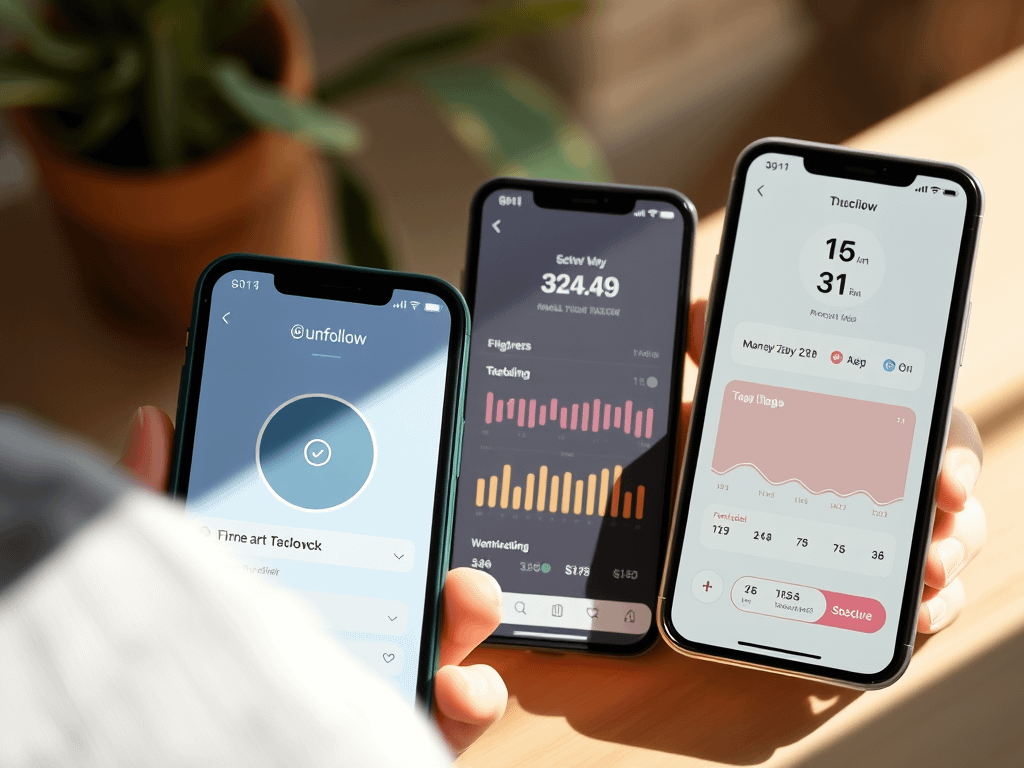
Constant social media comparison (“perfect body”, “30- day abs”) can hurt mental well-being.
Unfollow unrealistic fitness influencers and focus on your own progress.
Use fitness apps only for tracking, not judging.
A healthy mind does” t chase perfection- it celebrates progress.
8.🎯Set Realistic Goals

Unrealistic expectations often lead to frustration. Instead of saying “I’ll lose 10kg in a month,” aim for consistency- like ” I’ all exercise four times a week.”
Small, the realistic goals build confidence and keep your motivation alive.
Progress > Perfection
9.🧡 Listen to Your Body

Your body constantly communicates with you – through fatigue, hunger, soreness, or energy
Learn to listen
If you’re mentally or physically drained, rest.
If you feel energetic, push a little harder.
Respect your limits – balance doesn’t mean doing everything every day; it means knowing when to pause.
🌈 The Mind-Body CONNECTION: Your True Strength

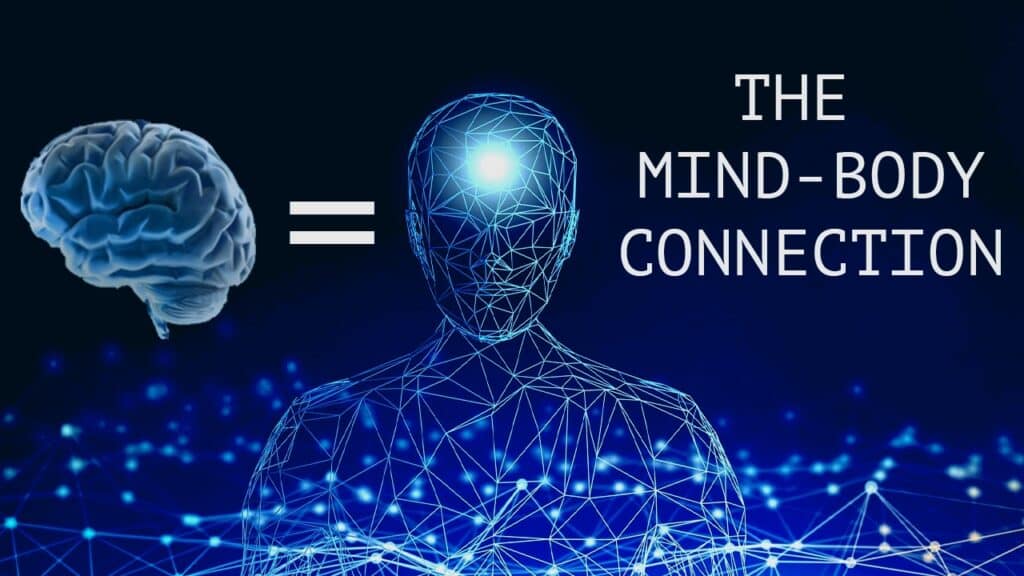
Balancing fitness and mental health isn’t about strict schedules or expensive tools.
It’s about being kind to yourself and creating harmony between effort and ease.
When you treat your workouts as self-care- not obligation- you build not only strength but also peace.
You start feeling motivated, focused, and confident from within.
Remember:
A fit body can lift weights.
A fit mind can lift you when life gets heavy.