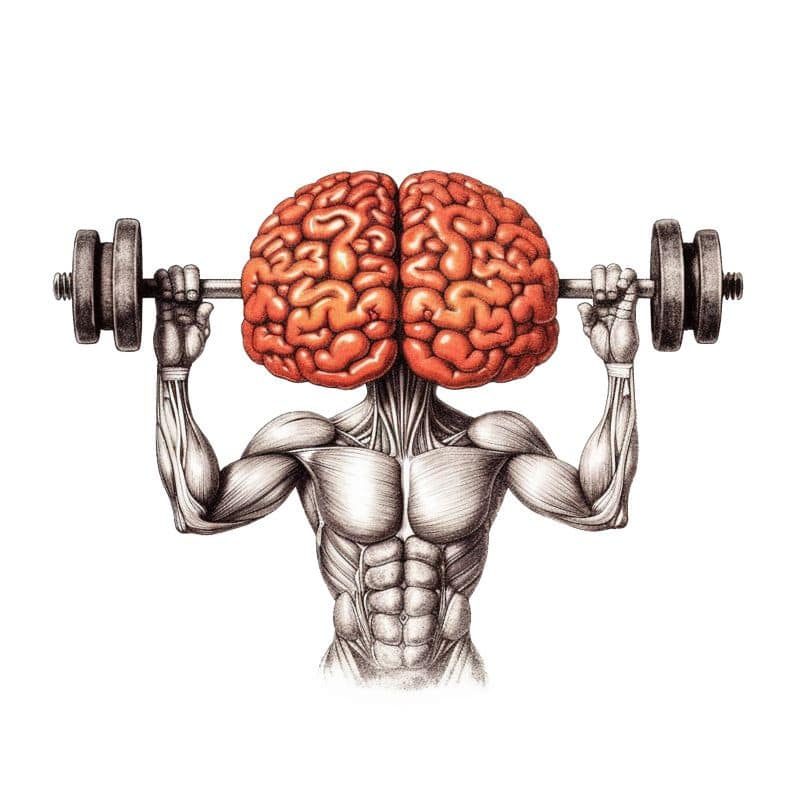

heALTHY DIET AND RECOVERY: THE SECRET TO A STRONGER, FITTER YOU
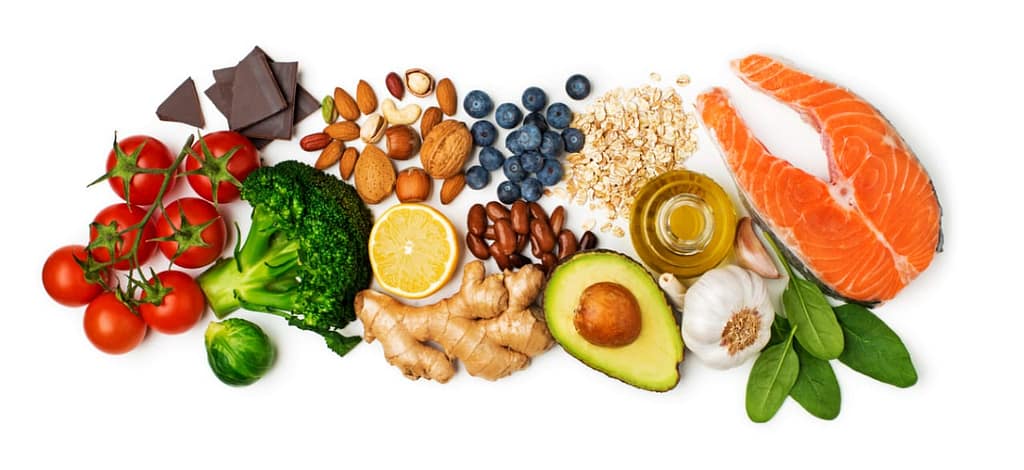
Introduction
When it comes to fitness, most people focus only on workouts- how many sets, reps, or hours they train.
But the real secret behind progress lies in what you eat and how you recover afterward.
A healthy diet fuels your body, and proper recovery rebuilds it.
Together, they form the foundation of true fitness- one that’s strong, sustainable, and balanced.
In this post, we’ll explore how your diet and recovery work hand in hand, what foods support muscle repair, and how you can build a nutrition plan that helps you perform- and feel- your best.
💪why diet and recovery matter
Every time you exercise, your muscle undergo small tears and stress.
Recovery is the process where those muscles repair,rebuild, and become stronger.
But without the right nutrients, recovery slows down- leading to fatigue, soreness, and even injury.
Think of your body like a car:
- Exercise burns fuel.
- Nutrition refills the tank.
- Recovery keeps the engine running smoothly.
Skipping any of these steps means your performance will suffer, no matter how hard you train.
🥗nutrition: the foundation of recovery
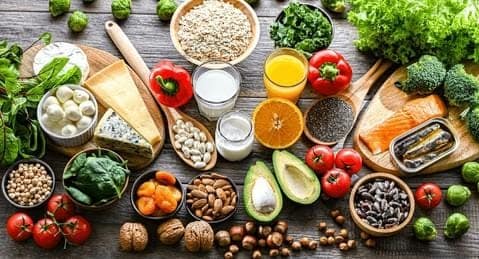
A healthy diet doesn’ t just mean eating less junk food- it means fueling your body with purpose.
Here’s how each major nutrient helps your body recover after exercise:
🧬1. Protein- The building block
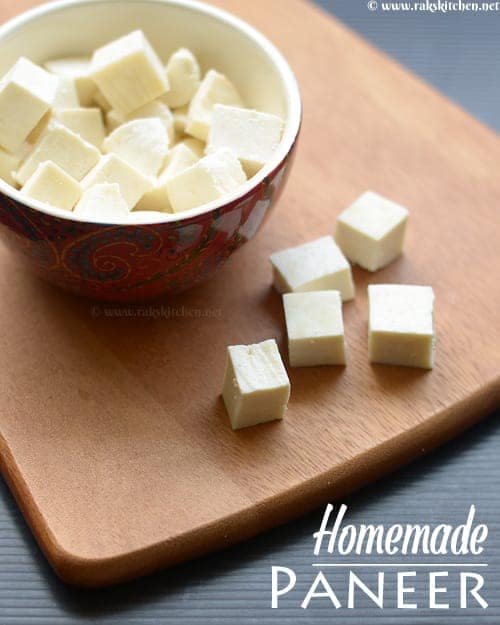
Protein repair muscle tissue and supports new muscle growth.
Without it, your body can’ t rebuild what exercise breaks down.
Best sources:
- Eggs
- Chicken,fish, lean meat
- Lentils, beans, chickpeas
- Greek yogurt, paneer, tofu
Pro tip:
Aim for 20- 30 grams of protein within one hour of your workout.
2. Carbohydrates- The energy refill
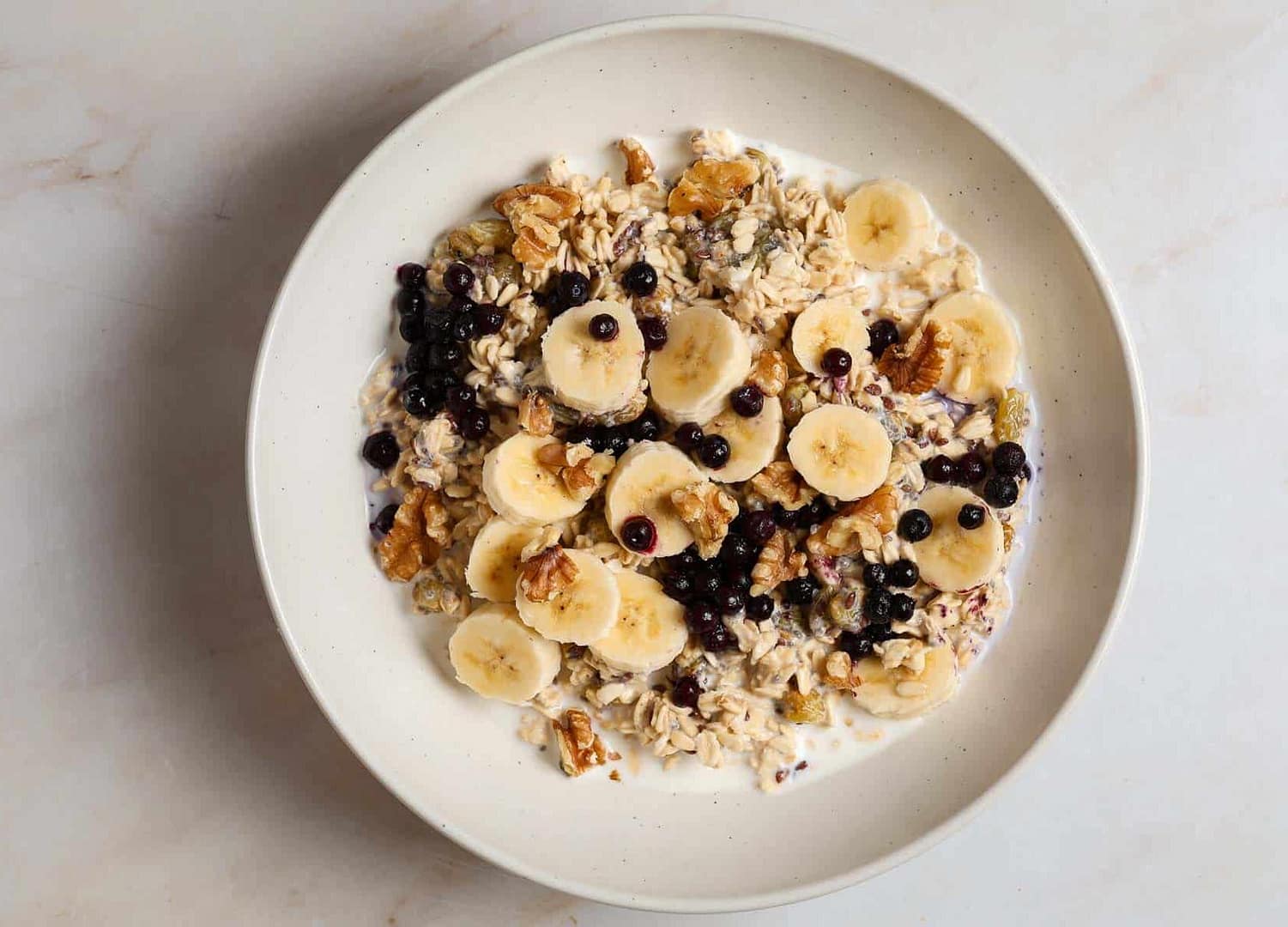
Carbs restore glycogen- your body’ s main energy source- which gets depleted during workouts.
best sources:
- Oats, brown rice, quinoa
- Sweet potatoes, bananas
- Whole- grain bread
- Fruits (especially berries and apple)
Pro tip:
Combine carbs and protein after exercise for faster recovery (like banana + peanut butter or rice + eggs).
🥑3. healthy fats- The silent Healers
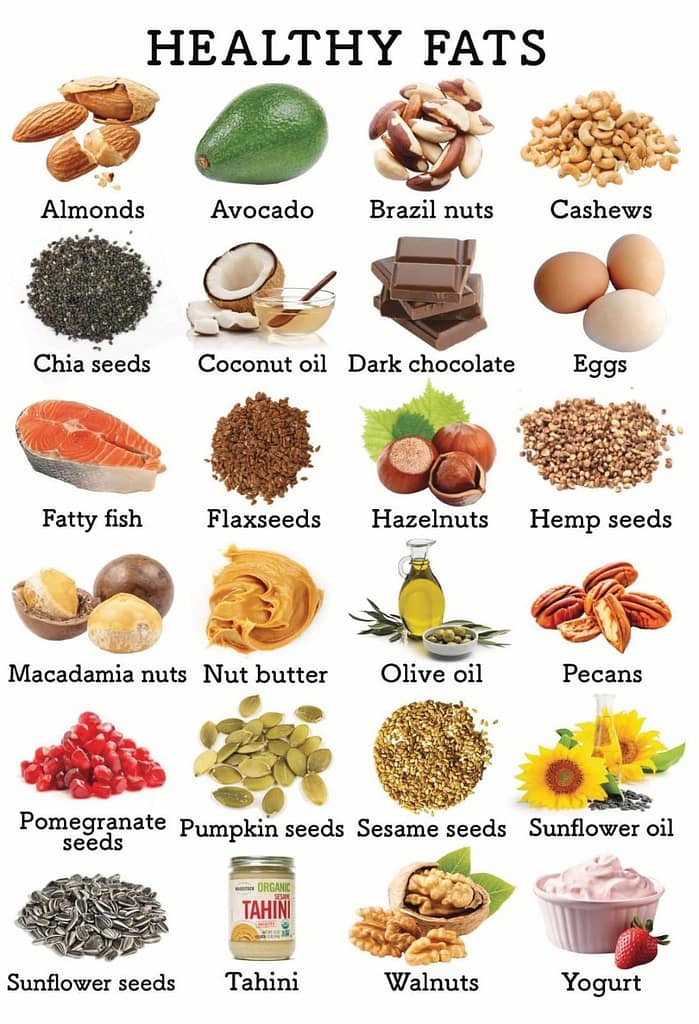
Good fats reduce inflammation, balance hormones, and support joint health.
Best sources:
- Avocados
- Nuts (almonds, walnuts)
- Olive oil, flaxseed oil
- Seed (chia, sunflower, sesame)
Pro tip:
Don’ t avoid fats- include small amounts daily to keep your recovery smooth and energy steady.
💧 4. Hydration: The forgotten nutrient
water plays a key role in nutrient transport, temperature control, and muslce function.
Dehydration delays recovery and increases cramps.
Pro tip:
Drink water throughtout the day, not just after workouts.
Add electrolytes or coconut water if you sweat a lot.
🍋5. Micronutrients- The recovery boosters
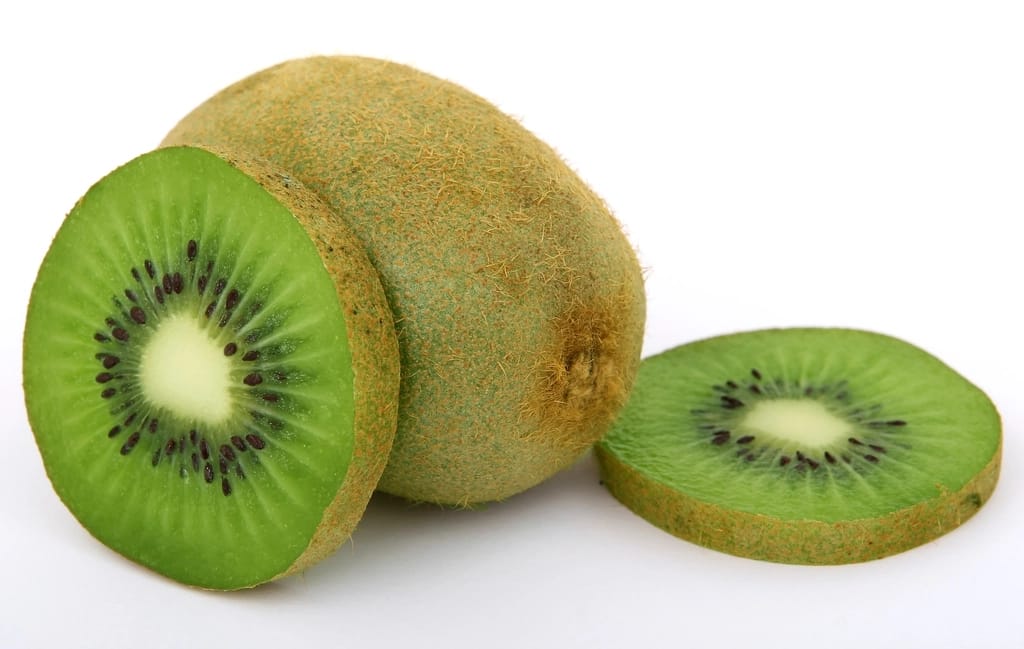
Vitamins and minerals often get ignored but are essential for repair and immunity.
Key nutrient to focus on:
- Vitamin C (for tissue healing)- oranges, kiwi, amla
- Magnesium (for muslce relaxation)- spinach, pumpkin seeds
- Iron (for oxygen flow)- leafy greens, beetroot, red meat
- Zinc (for repair and immunity)- nuts, seeds, dairy
⏳timeing: when you eat matters
Your post-workout nutrition timing plays a big role in how well your body recovers.
well, your body recovers.
Try following this simple schedule:
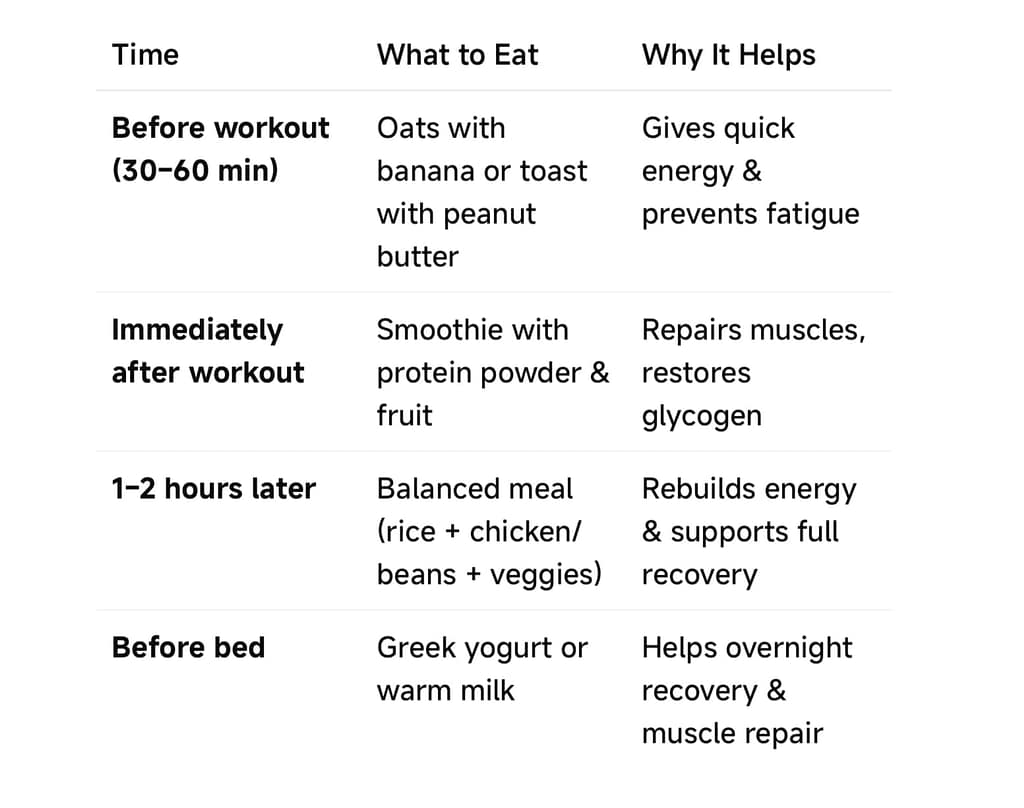
Consistency beats perfection.
You don’t have to eat “perfectly,” just consistently fuel your body at the right times.
REST AND RECOVERY: THE OTHER HALF OF THE EQUATION
Even with the best diet, your body can’t grow without rest. recovery is where progress happens – not in the gym.
1: sleep

During deep sleep, your body releases growth hormones that repair tissuue and rebuild muscles.
Lucknof sleep means slower recovery, higer stress, and weaker immunity.
Tip: Sleep 7 hours daily. Make your rooom cool, dark, and screen-free.
2: active recovery
Instead of total rest, try gentle activites like walking , yoga, or stretching.
These increase blood flow and speed up healing.
Tip: Take 1-2 active recovery days each week.
3: cold & heat therapy
Ice baths or cold showers reduce inflammation, while warm baths and massages relax sore muscles.
Alternate between both for faster recovery.
4: stress management

Mental stress slows down physical recovery by inceasing cortisol levels.
Practice meditation, breating exercises, or journalling to keep your mind relaxed.
Remember, your mind and body recover together.
Sample One – day meal plan for recovery
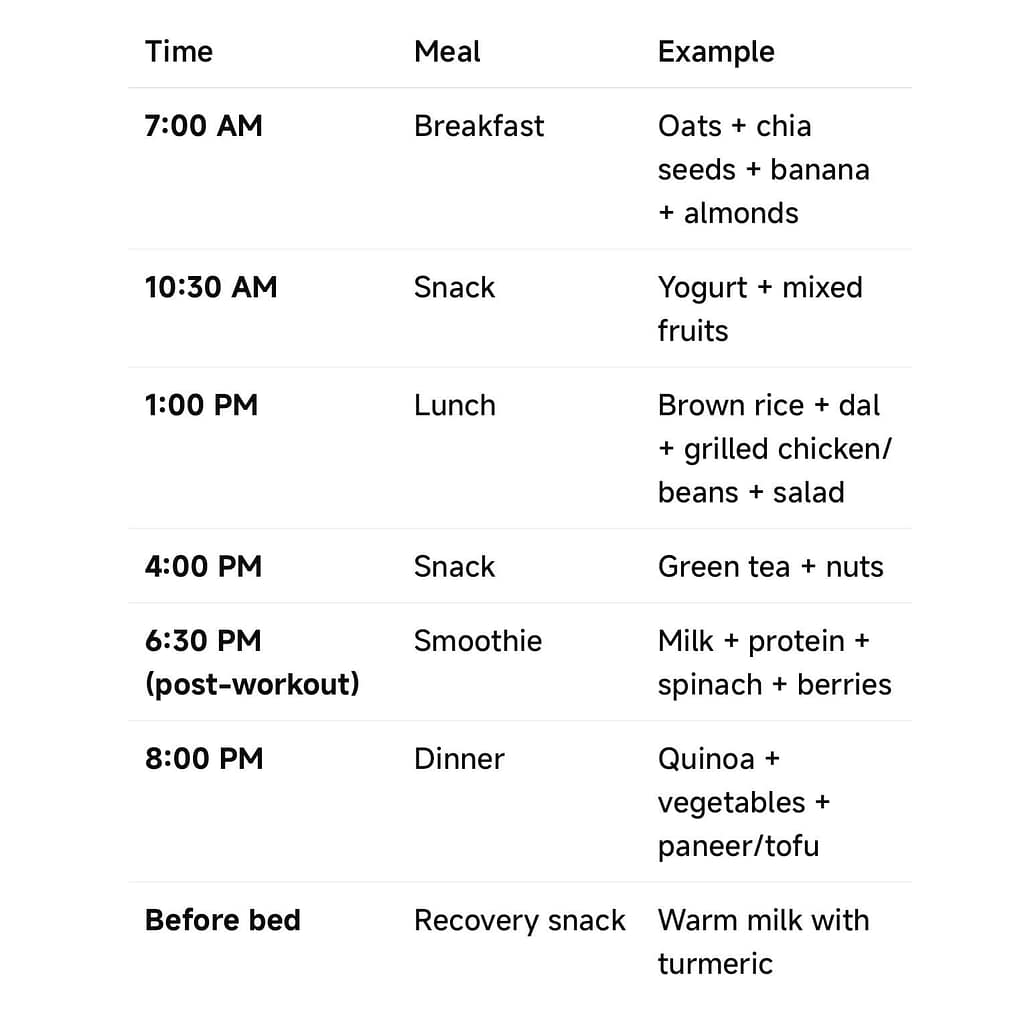
This plan ensures steady eberrgy, quick recovery, and muscle norishment throughout the day.
⚠ common recovery mistakes to avoid
1: Skipping post-workout meals – delays recovery and leads to fatigue.
2: Overtraining – doesn’t allow muscles time to rebuild.
3: Under – eating – slows metabolism and weakens your immune system.
4: Neglecting hydration – makes muscles stiff and cramps more frequent.
5: Inconsistent sleep – limits proogress enen with a perfect diet.
the balance between effort and rest
Remember:
Your fitness progress is 50% training, 30% nutrition, and 20% recovery.
Skipping any one of them creates imbalance.
Ahealthy diet gives your body the raw materials, and recovery transforms them into strength and endurance.
You can’t pour from an empty cup – so fuel it, rest it, and respect it.
💭Final thoughts
The most successful athletes and healthiest people all share one common secret:
they don’t just train hard – they recover smart.
You don’t need expensive supplements or strict diets. Just focis on eating whole foods, hyrating well, getting enough sleep, and listening to your body.
A healthy diet and proper recovery aren’t add-ons-they’re
essentials for a stronger, happier you.
When you nourish your body the right way, it rewards you with energy, focus, and long-term health.